

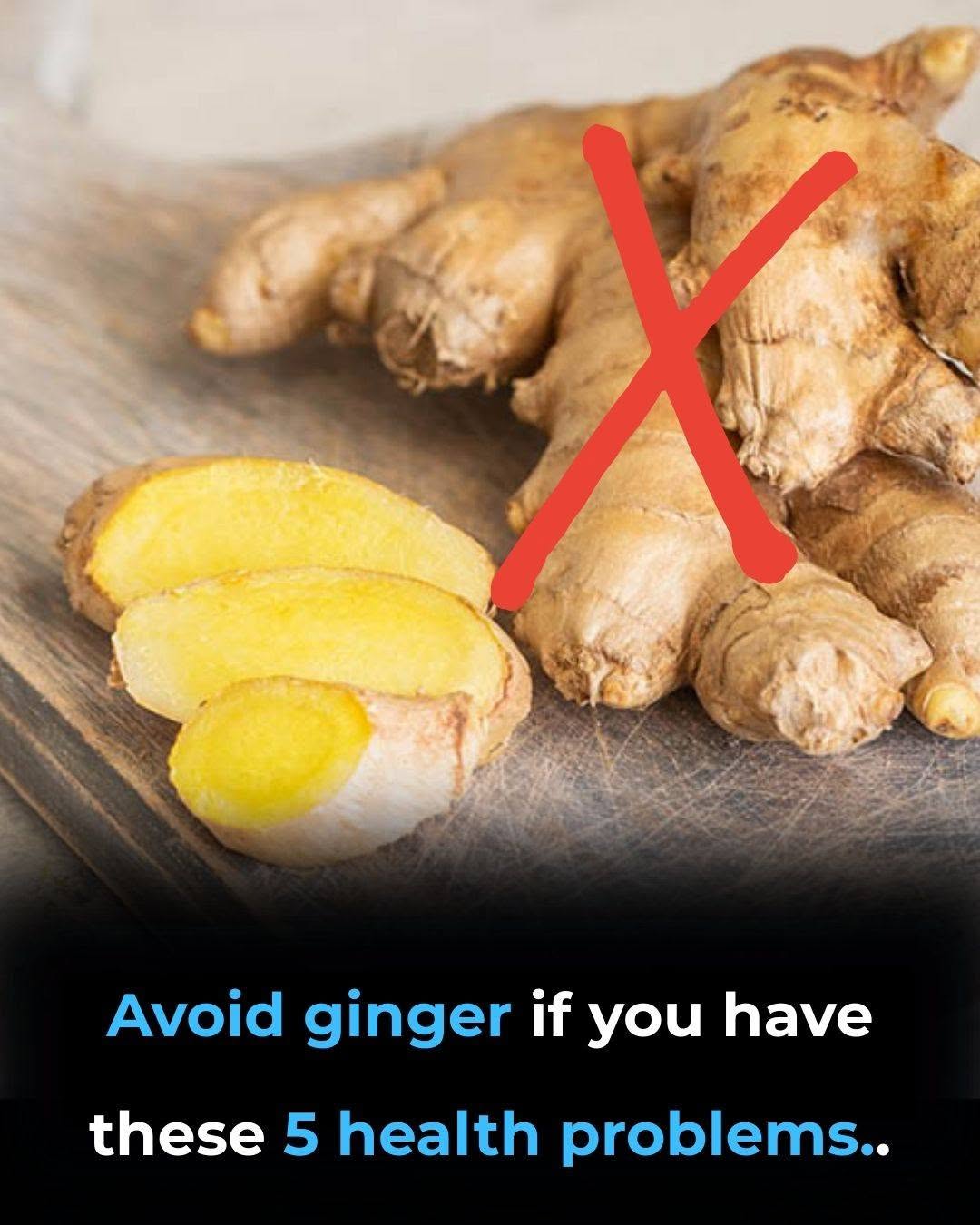
Ginger is often celebrated for its powerful anti-inflammatory and digestive benefits. It’s a popular home remedy for nausea, colds, and muscle pain — and for most people, it’s perfectly safe. Flora& Fauna
However, not everyone reacts well to ginger. For certain individuals with specific health conditions, regular or high intake of ginger may actually do more harm than good.
Here are five health situations where you should think twice before adding ginger to your diet — plus safer, healthier alternatives.
1. 🩸 People with Bleeding Disorders or Taking Blood Thinners
Discover more
Blood Sugar & Diabetes
Drugs & Medications
Health
Why to avoid ginger:
Ginger naturally contains compounds that thin the blood and prevent clotting. While this can help reduce inflammation and improve circulation in healthy individuals, it poses a risk for people with bleeding disorders or those on anticoagulant medications such as warfarin, aspirin, or clopidogrel. Flora& Fauna
Too much ginger may increase the risk of prolonged bleeding, easy bruising, or nosebleeds — especially ifcombined with other natural blood thinners like garlic or ginseng.
Better alternatives:
Use turmeric in small amounts — it provides anti-inflammatory effects without significantly thinning the blood.
Boost vitamin K intake through foods like spinach, kale, and broccoli to support normal blood clotting. Food
Always consult your doctor before taking herbal supplements if you’re on prescription blood thinners.
2. 🍬 People with Diabetes
Discover more
health
Herbs & Spices
Health
Why to avoid ginger: Herbs& Spices
Ginger is known to help lower blood sugar levels by improving insulin sensitivity. However, for diabetics already using insulin or glucose-lowering medication, this can lead to hypoglycemia — dangerously low blood sugar that causes dizziness, sweating, confusion, or even fainting.
Better alternatives:
Drink green tea or cinnamon tea, both of which help regulate blood sugar more gently.
Focus on balanced meals that include whole grains, lean proteins, and fiber-rich vegetables to keep glucose levels steady.
Monitor your blood sugar regularly and discuss any
herbal use with your healthcare provider.
3. 💔 People with Heart Disease or Taking Heart Medication
Why to avoid ginger:
In moderate doses, ginger can promote good circulation, but excessive consumption may interfere with heart medications such as beta-blockers, calcium channel blockers, or antiarrhythmic drugs. Some studies suggest that large doses of ginger may cause irregular heartbeat, blood pressure fluctuations, or heart palpitations.
Discover more
Commission Custom Prints
Access Writing Tools
Fruits
Better alternatives:
Use garlic or omega-3 fatty acids (found in salmon, flaxseed oil, or walnuts), which help lower cholesterol and reduce inflammation safely.
Prioritize a heart-healthy diet low in sodium and rich in fruits, vegetables, and healthy fats.
Always check with a cardiologist before using any herbal remedies.
4. 🤰 Pregnant Women (Especially in the Last Trimester)
Why to avoid ginger:
Ginger is often recommended in early pregnancy to relieve morning sickness. However, in the third trimester, large amounts of ginger may stimulate uterine contractions, potentially
herbal use with your healthcare provider.
3. 💔 People with Heart Disease or Taking Heart Medication
Why to avoid ginger:
In moderate doses, ginger can promote good circulation, but excessive consumption may interfere with heart medications such as beta-blockers, calcium channel blockers, or antiarrhythmic drugs. Some studies suggest that large doses of ginger may cause irregular heartbeat, blood pressure fluctuations, or heart palpitations.
Discover more
Commission Custom Prints
Access Writing Tools
Fruits
Better alternatives: