

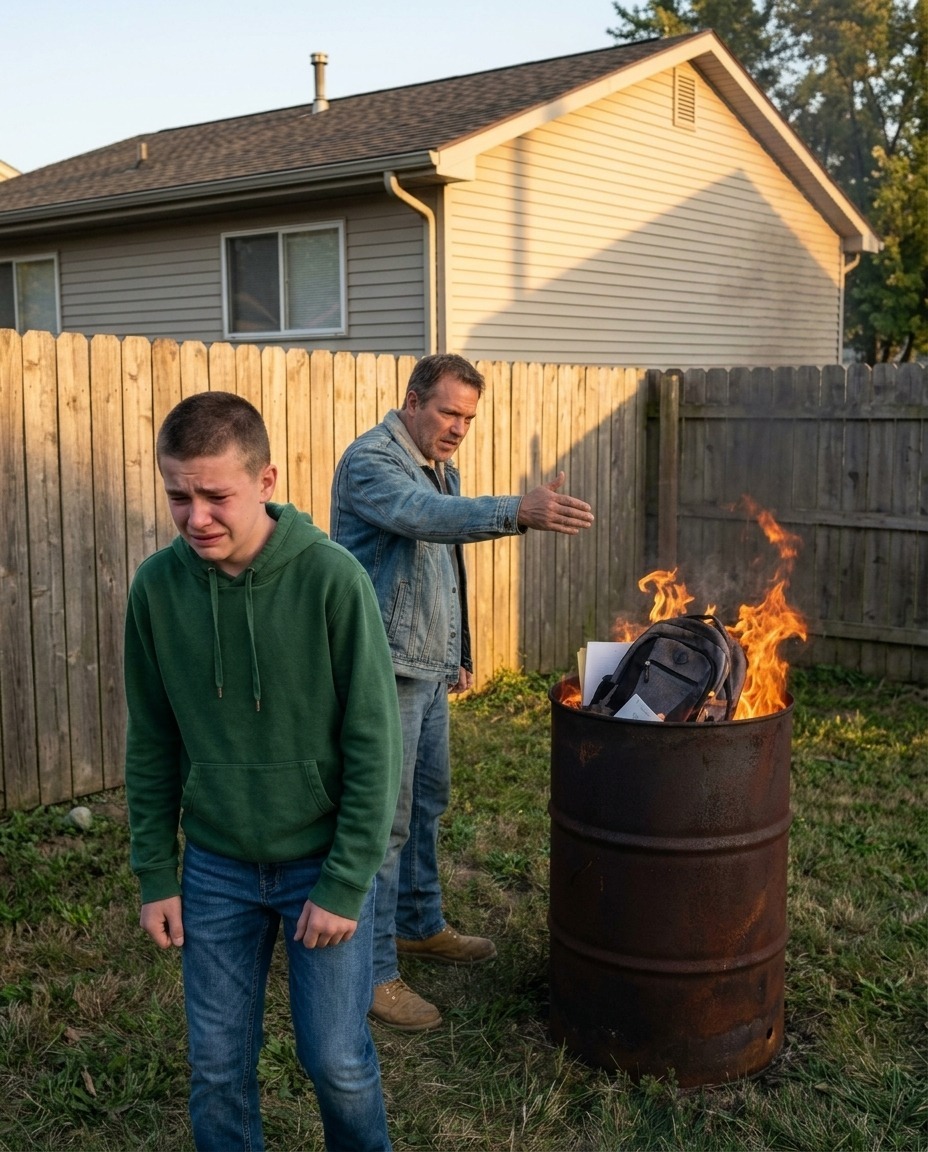
It was the cold, constant realization that the moment he used to destroy me had finally come full circle.
And this time, I was the one holding the match.
I attended the auction in person.
It was held in a simple meeting room with fluorescent lights, metal chairs, and a coffee maker that looked older than me. There were only six bidders that morning, mostly investors flipping through folders without any enthusiasm. To them, my father's house was just another struggling asset with an overgrown garden and a crumbling roof. To me, it was every slammed door, every insult, every silent meal, every sleepless night planning a life I wasn't supposed to want.
The initial bid was lower than I expected. One investor quickly withdrew after reviewing the repair estimate. Another hesitated when the employee mentioned the lien documents. I remained calm. I had already done the calculations. Even with the repairs, it made sense. Financially, it was manageable. Emotionally, it was something else entirely.
When the gavel fell, the room barely reacted.
But I do.
I didn't show it outwardly. I simply signed the documents, shook the employee's hand, and returned to my truck with the folder of receipts on the passenger seat. I sat there for a full minute, staring through the windshield, letting the truth sink in.
The house was mine.
Not because my father had given me anything. Not because life had suddenly become fair. It was mine because I left, worked, learned, failed, adapted, and moved on long after anger ceased to be useful.
I drove to Dayton that afternoon. The house seemed smaller than I remembered. The porch was slightly tilted to one side. The shutters were faded. The backyard where he burned my belongings was full of patches of dry grass. I pulled up in front of the house, put my phone on the hood of my truck, and took a picture.
Then I called him.
He answered on the fourth ring, his voice more mature but still firm. "What?"
I told him, "Check your mailbox."
Then I hung up.
I put the photo in an envelope without a note, without threats, without explanations. Just the image: me standing in front of the house, keys in hand, impassive expression. A fact, not an act.
I didn't evict him that day. Legally, there was a process, and I followed it. That was important to me. I wasn't interested in becoming him with better papers. When he finally called me back, furious and breathing heavily, I listened in silence until he was speechless. Then I told him the only thing I'd wanted to say to him for six years.
"You taught me what power in the wrong hands means," I told him. "Thank you for teaching me what I should never be."
A month later, she was gone. I renovated the property, sold it, and used the proceeds to help fund repairs to transitional housing for young people leaving the foster care system. It felt better than revenge. Cleaner. Final.
Some people believe the best ending is to make someone suffer exactly as they made you suffer. I used to believe that too. Now I believe true victory is building a life so strong that your worst moment becomes part of your foundation, not your future.
If this story resonated with you, share what you think matters most: revenge, closure, or rebuilding. Many people in the United States know what it's like to grow up under someone else's control, and sometimes hearing someone else's response is where healing begins.
To see the full instructions for this recipe, go to the next page or click the open button (>) and don't forget to share it with your friends on Facebook.