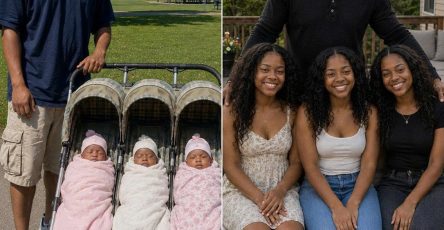

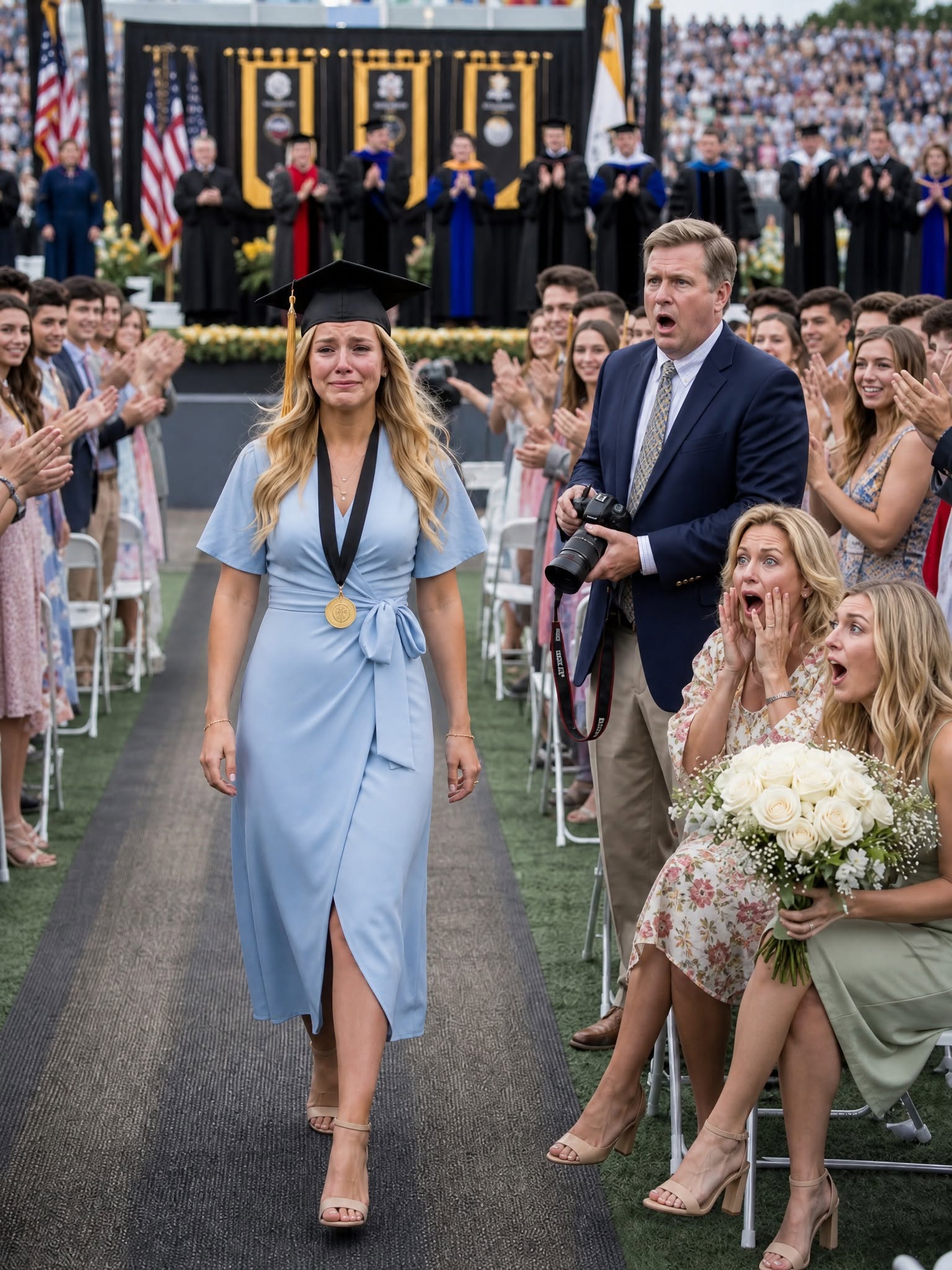
At eighteen, my father paid for my twin sister’s expensive university, apartment, laptop and car. He handed me $200 and said there would be no more because she was the better investment. I worked my way through college and built a life without him. Eight years later, his company desperately needed $40 million to survive. He entered the investment meeting, looked toward the person deciding his future—and dropped every folder in his hands.
Part 1: The Daughter He Refused to Invest In
My father paid nearly three hundred thousand dollars for my twin sister’s education and gave me two hundred dollars at the bus station. Eight years later, he entered a glass-walled boardroom seeking the investment that could save his company—and found me seated at the head of the table.
He stopped so suddenly that the financial reports slipped from his hands. Brooke stood beside him in a designer suit, staring at the nameplate in front of me as if the engraved letters had personally betrayed her.
MAYA SULLIVAN — CHIEF INVESTMENT OFFICER
My father looked from the nameplate to the executives waiting for me to begin. “What are you doing here?”
I closed the folder containing his company’s application for forty million dollars. “Deciding whether you are worth the investment.”
Eight years earlier, he had used those same words to divide two daughters who shared the same birthday, the same green eyes and almost identical academic records. We were eighteen, sitting in our Minneapolis living room with our college acceptance letters resting on the coffee table.
Dad announced that he would pay Brooke’s full tuition, housing and living expenses at Oakwood University. Mom cried with happiness while Brooke hugged them both, although none of them appeared surprised.
Then Dad turned toward me. The warmth left his face with such efficiency that I understood his decision had been made long before that conversation.
“We won’t be funding River Valley State,” he said.
River Valley was a respected public university, and its total cost was less than half of Oakwood’s tuition. I asked why the daughter choosing the more affordable school was the one receiving nothing.
“Brooke possesses social intelligence,” Dad explained. “She knows how to form valuable relationships, and Oakwood will multiply that talent.”
“And me?”
“You are intelligent, Maya, but intelligence alone doesn’t guarantee a return. We have to place our resources where they have the greatest potential.”
Mom lowered her eyes while Brooke adjusted the university bracelet already circling her wrist. Neither of them challenged him.
Dad owned Sullivan Commercial Flooring, a company he had built into one of the largest regional contractors in Minnesota. He treated every relationship like a balance sheet, but until that afternoon, I had never realized he had assigned values to his children.
“So Brooke is an investment,” I said, “and I’m an expense.”