

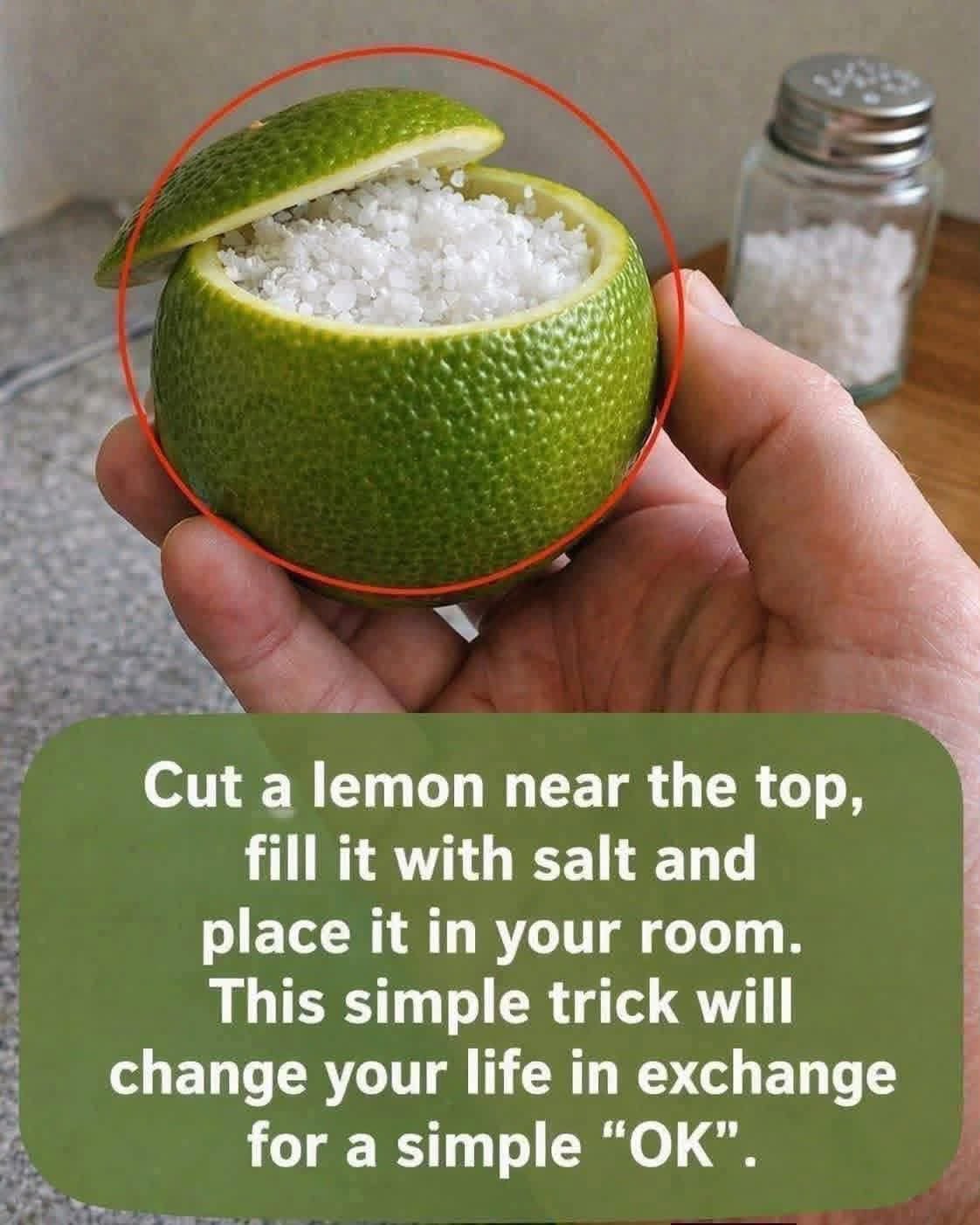
1. Wash the LemonsCooking classes
Rinse four fresh lemons thoroughly under running water and dry them with a clean towel.
2. Cut the Lemons
Place each lemon on a cutting board.Get Produce Boxes
Cut it into quarters, but avoid separating the pieces completely if you want them to remain together at the base, as shown in the picture.
3. Open the Lemon Pieces
Gently spread the lemon sections apart so that more of the juicy interior is exposed.
This creates more surface area for the lemon’s aroma to escape.
4. Add the Salt
Place the opened lemons on a small plate or shallow dish.
Sprinkle approximately ¼–½ teaspoon of coarse salt over each lemon, depending on the size of the lemons.Get Produce Boxes
5. Place the Dish in the Room
Put the dish in a safe, stable location where it won’t be knocked over.
A kitchen counter, dining area, or bathroom shelf can work well.
Keep it away from direct sunlight, heat sources, pets, and areas where children might handle or taste it.
6. Replace When Needed
Check the lemons regularly. Once they become dried out, moldy, or no longer smell fresh, discard them and prepare a new batch.
Best Tips
Use fresh, fragrant lemons for the best citrus aroma.
Coarse salt works nicely because it is easy to sprinkle and handle.
Don’t use excessive salt—the goal is simply to lightly cover the exposed lemon.
Place the dish somewhere with reasonable air circulation.
For a stronger citrus aroma, gently squeeze the lemon sections before adding the salt.
Always use a clean dish.
Replace the lemons if you notice mold or an unpleasant smell.
This DIY freshener works best alongside normal cleaning and good ventilation.
Best Ingredient Options
Lemons
Regular yellow lemons are the easiest choice. Meyer lemons can also be used if available and may provide a slightly sweeter citrus aroma.
Salt
Coarse sea salt or kosher salt can be used. Regular table salt also works if that’s what you have available.
Optional Citrus
For a stronger citrus fragrance, add a few pieces of fresh orange peel around the lemons.
Recipe Variations
Lemon and Rosemary
Add a small sprig of fresh rosemary to the dish for a bright herbal scent.
Lemon and Orange
Add orange peel for a sweeter citrus fragrance.
Lemon and Cinnamon
Place a small cinnamon stick beside the lemons for a warm, cozy aroma.
Kitchen Freshener
Use the basic lemon-and-salt version near the kitchen after cooking, while keeping it away from food preparation surfaces.Cooking classes
What to Serve With
This is a home freshener rather than an edible recipe, so there is nothing to serve with it.
Do not consume the lemon and salt mixture after it has been used as a room freshener.
Make-Ahead Instructions
This DIY freshener is best prepared fresh because cut lemons gradually dry out.
You can wash the lemons and keep them refrigerated until you’re ready to prepare the dish. Prepare the lemon-and-salt mixture shortly before you want to use it.
Storage
There is no need to store the prepared mixture.Recipe book
Keep the unused whole lemons in the refrigerator according to normal produce-storage practices. Once lemons have been cut and placed out at room temperature, check them regularly and discard them if they become spoiled.
Reheating
Not applicable.
This is a room-freshening preparation and should not be heated or microwaved.
Freezing
Not recommended for the prepared room freshener.
Fresh lemons can technically be frozen for culinary purposes, but freezing isn’t necessary for this DIY home-freshening method.
Common Mistakes to AvoidGet Produce Boxes
Using Moldy Lemons
Never continue using lemons once mold appears. Discard them and clean the dish thoroughly.
Adding Too Much Salt
A light sprinkle is sufficient. There is no need to cover the entire lemon with a thick layer.
Leaving It Out Too Long
Cut fruit eventually spoils. Replace the lemons regularly rather than leaving them out indefinitely.
Expecting It to Remove All Odors
This method can provide a citrus aroma, but it shouldn’t be considered a complete odor-removal solution. For persistent odors, identify and clean the source and improve ventilation.
Putting It Near Heat
Don’t place the dish beside a stove, heater, candle, or other heat source.
Nutrition Estimate
Because this preparation is intended as a non-food household freshener, nutritional information isn’t applicable.
Nutrient Estimate
Calories Not applicable
Protein Not applicable
Carbohydrates Not applicable
Fat Not applicable
Fiber Not applicable
Sodium Not applicable as a consumed food
Serving Not intended for consumption
Frequently Asked Questions
Does lemon and salt really freshen a room?
It can provide a noticeable citrus scent, particularly when the lemon’s cut surface is exposed. However, it shouldn’t be treated as a scientifically proven air purifier or a replacement for ventilation and cleaning.
How long does a lemon and salt freshener last?
The useful period varies depending on room temperature and humidity. Check the lemons daily and replace them when they become dry, spoiled, or unpleasant-smelling.
Can I use table salt?
Yes. Coarse salt is convenient, but ordinary table salt can also be used.
Can I add orange peel?
Yes. Orange peel can complement the lemon and create a sweeter citrus aroma.Get Produce Boxes
Can I eat the lemons afterward?
It’s better not to eat lemons that have been used as a room freshener, especially after they have been sitting out and exposed to the environment.
Can I use this in the bathroom?
Yes, provided the dish is placed somewhere stable and away from water splashes. Remember that it provides fragrance but doesn’t replace bathroom cleaning.
Does this replace an air purifier?
No. A lemon-and-salt dish is a simple household fragrance idea, not an air purification device. If you need actual air filtration, use appropriate ventilation or an air purifier designed for that purpose.
Final Thoughts
This lemon and salt room freshener is one of the simplest DIY home freshening ideas you can try. With four lemons, a little coarse salt, and a small dish, you can create a fresh citrus aroma in just a few minutes.
It’s inexpensive, easy to customize, and particularly useful when you want a simple natural home fragrance. Just remember that it works primarily as a fragrance idea—not as a replacement for cleaning, ventilation, or an air purifier.
⚠️This recipe may not be suitable for everyone, so it is advisable to consult a doctor.