
3. Limit Liquid Cleaner Use
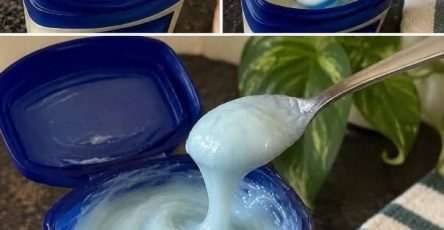
While it may seem logical to use plenty of liquid cleaner to tackle grime, overuse can cause more harm than good. Excess liquid can leave behind a sticky residue that dulls the glass finish and attracts more dirt and dust. Moreover, large amounts of liquid may seep into the stove’s seams or electrical components, potentially causing internal damage or corrosion.
Applying liquid cleaners sparingly is essential. Use only the amount necessary to cover the surface lightly, and always wipe away excess with a clean cloth.
Spray cleaner onto your cloth, not directly onto the stove top.
Use a damp cloth rather than soaking the surface.
Dry the surface thoroughly after cleaning to prevent streaks.
4. Regular Maintenance
Neglecting routine cleaning can lead to stubborn stains and baked-on food residues that are difficult to remove. Waiting until the stove top appears dirty often means stains have hardened, requiring more aggressive cleaning methods that risk damaging the glass.
Incorporate regular maintenance into your cleaning schedule. A simple wipe-down after each use or a weekly dedicated cleaning session can keep your stove top looking pristine and extend its lifespan.
Wipe the stove top with a soft cloth after every cooking session once cooled.
Perform a thorough cleaning with vinegar and baking soda weekly.
Address spills promptly to prevent permanent staining.
5. Immediate Spill Wipe
Spilled liquids or food debris left on the glass surface can quickly become stubborn stains if not cleaned promptly. The longer spills sit, the more they bake onto the surface during cooking, making removal difficult and increasing the risk of discoloration or damage.
Always wipe spills as soon as the stove top cools down. This habit prevents stains from setting and keeps the cleaning process quick and easy.
Keep a microfiber cloth or sponge handy near your stove.
After cooking, allow the surface to cool, then wipe spills immediately.
For sticky spills, use a mild vinegar solution to loosen residue before wiping.
Continue Reading on the Next Page
6. Use Baking Soda and Vinegar
A highly effective and natural cleaning method for glass stove tops involves using baking soda and white vinegar. These common household ingredients work together to remove grease, burnt-on food, and stains without damaging the surface.
Baking soda acts as a gentle abrasive that lifts grime without scratching, while vinegar’s acidic properties break down oils and residues, making them easier to wipe away.
To use this method, first ensure the stove top is cool. Spray white vinegar generously over the surface, then sprinkle baking soda evenly on top. Allow the mixture to fizz and sit for about 15 minutes to loosen stains.
This combination avoids harsh chemicals, protecting both your stove top and your indoor air quality.
7. Let Cleaning Solution Sit
Allowing the baking soda and vinegar mixture to sit undisturbed for at least 15 minutes is crucial. This dwell time lets the ingredients penetrate and soften burnt-on food and stains, reducing the need for vigorous scrubbing that can cause damage.
During this period, the mild chemical reaction helps break down tough residues, making subsequent wiping far easier and more effective.
Do not rush the process; patience yields better results.
Keep the surface moist with the solution during the wait.
Use this time to prepare cleaning tools or attend to other kitchen tasks.
8. Gentle Wiping Technique
When removing the baking soda and vinegar mixture, use a soft microfiber cloth or a non-abrasive sponge. Avoid scrubbing aggressively; gentle, circular motions will lift off dirt without risking scratches.
Apply light pressure and rinse your cloth frequently to avoid redistributing grime. This technique helps maintain the glossy finish and prevents damage to the glass surface.
Use clean water to rinse the cloth or sponge regularly.
Replace your cleaning cloth if it becomes too dirty during wiping.
Finish with a clean, damp cloth to remove any residue.
Continue Reading on the Next Page
9. Razor Blade for Stubborn Stains
For particularly tough, burnt-on stains that resist baking soda and vinegar cleaning, a razor blade scraper can be used with care. Holding the blade at a very low angle, gently scrape the residue without applying excessive pressure. This method physically lifts stubborn spots without scratching the glass when done correctly.
Always use a scraper designed for glass stove tops and avoid metal blades that are not intended for this purpose. Incorrect use can easily cause scratches or chips.
Ensure the stove top is cool and dry before scraping.
Keep the blade flat against the glass to avoid gouging.
Work slowly and inspect progress frequently.
10. Final Drying and Polishing
Once all stains and residues are removed, finish by drying the stove top thoroughly. Use a clean, dry microfiber cloth to wipe the surface, removing any remaining moisture to prevent streaks or water spots.
Polishing the glass gently enhances its shine and restores the sleek appearance of your stove top. Regular drying after cleaning is essential to maintain a spotless finish.
Use a lint-free microfiber cloth for the best results.
Buff the surface in circular motions to bring out the shine.
Store your cleaning cloths separately to avoid contamination.
When to See a Professional
If you notice cracks, deep scratches, or persistent stains that do not respond to proper cleaning methods, it may be time to consult a professional appliance technician. Damage to the glass surface can pose safety risks, including the potential for glass breakage during use.
Additionally, if internal components of the stove appear damaged or malfunctioning due to liquid seepage, professional repair is essential to avoid electrical hazards.
Conclusion
Maintaining a clean glass stove top requires careful technique and the right products. Avoid abrasive cleaners and hot surface cleaning, limit liquid use, and practice immediate spill wipe and regular maintenance. The baking soda and vinegar method offers a gentle yet effective cleaning solution, while careful scraping and final polishing help tackle tough stains and restore shine.
By following these steps, your glass stove top will stay spotless and in excellent condition, extending its lifespan and enhancing your kitchen’s appearance.
Disclaimer: This information is for educational purposes and does not replace professional advice. If you have concerns about stove top damage or appliance functionality, please contact a qualified technician