What Do Bay Leaves Really Do in Cooking? A Surprisingly Cozy Kitchen Mystery

In an airtight container
Away from heat and sunlight
In a dry cabinet
Fresh bay leaves smell stronger, but dried ones hold up well if stored properly. If your leaves smell like… well, nothing, it might be time to refresh your stash.
A quick sniff test works wonders.
Try This Tiny Kitchen Experiment
Curious if bay leaves actually make a difference for you? Here’s a simple way to find out.
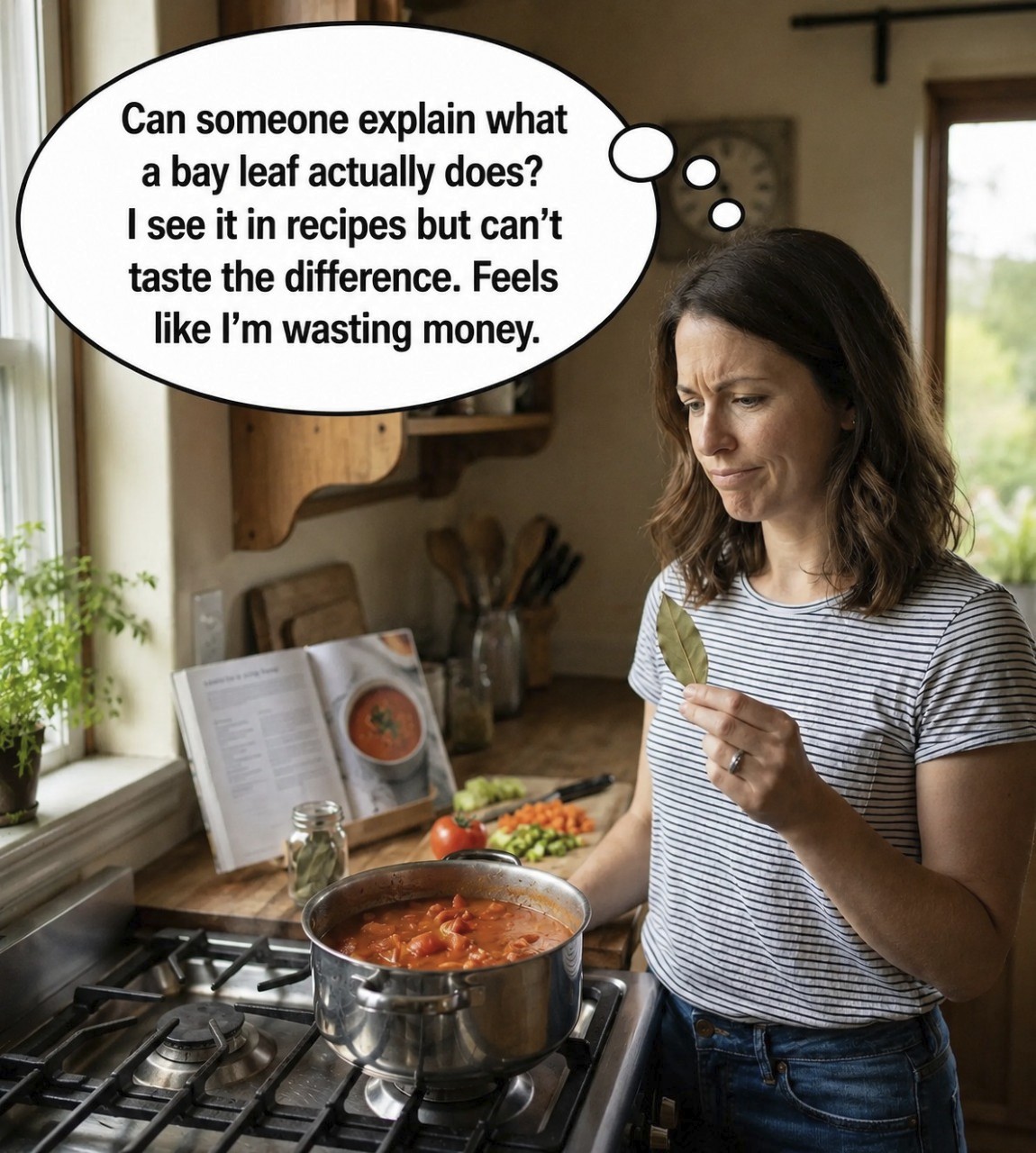
Make a small batch of tomato sauce or broth. Split it into two pots:
Add a bay leaf to one
Leave the other plain
Simmer both for 30–40 minutes. Taste side by side.
Most people notice one version feels rounder, slightly more savory, maybe a touch smoother. Not dramatic. Just… nicer.
Sometimes small details quietly change the whole experience — cooking mirrors life that way.
So, Are Bay Leaves Worth Keeping Around?
Short answer? Yes.
Bay leaves won’t steal the spotlight. They won’t punch you with flavor. They won’t trend on social media like spicy chili crisp or fancy sea salt.
But they build atmosphere in food — depth, balance, quiet warmth. They help flavors settle into place rather than bump into each other awkwardly.
And honestly, that kind of behind-the-scenes work deserves some respect.
Next time you drop a bay leaf into a pot, maybe pause for a second. Think about ancient kitchens, slow simmering stews, generations of cooks trusting the same simple leaf. There’s something oddly grounding about that.
Sometimes the best ingredients don’t shout.
They simply stay.