
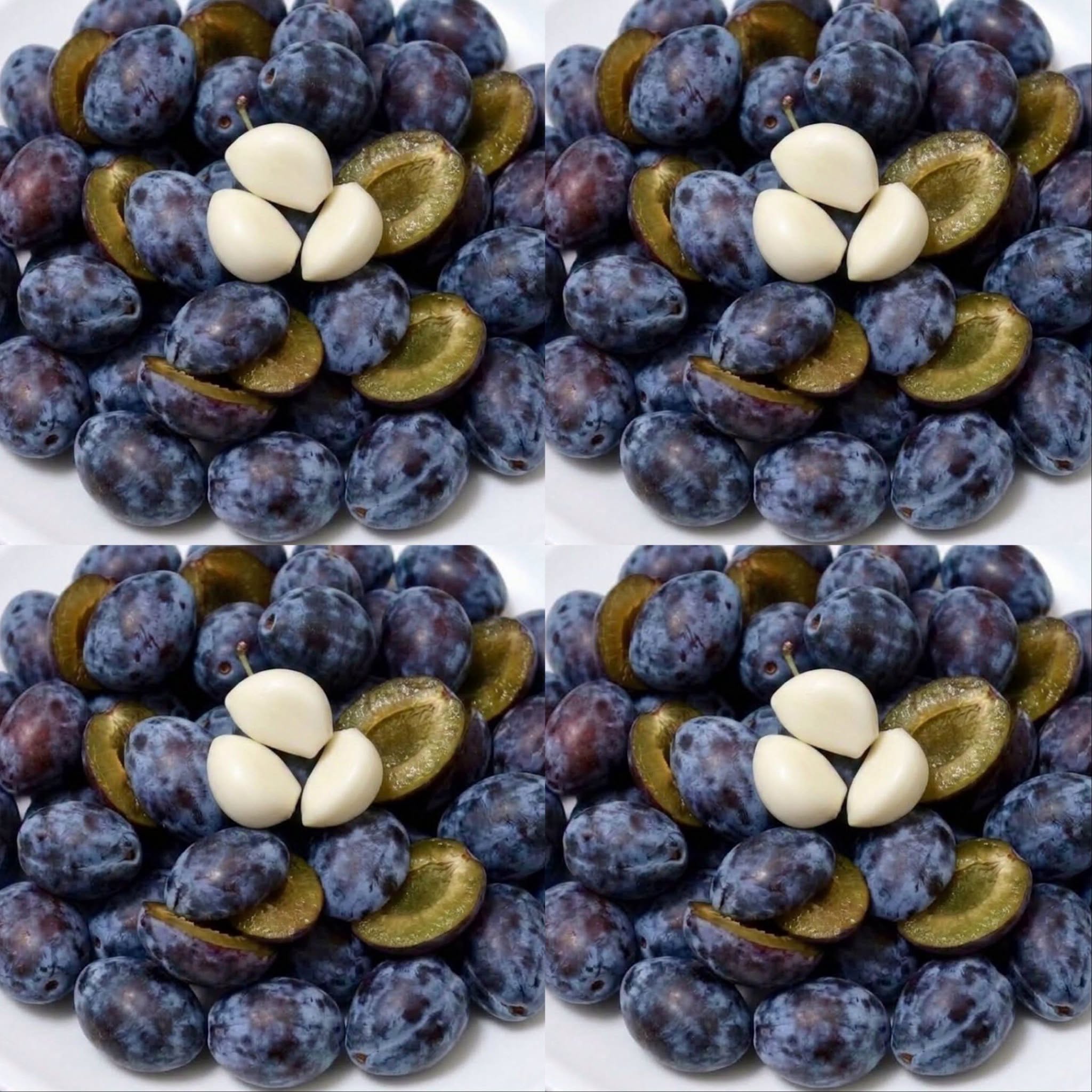
drying concentrates several components of the fruit.
They provide dietary fiber, which contributes bulk and helps support normal bowel function.
But fiber isn’t the entire story.
Prunes also naturally contain sorbitol, a sugar alcohol that isn’t completely absorbed in the small intestine.
When sorbitol reaches farther into the digestive tract, it can help draw water into the bowel.
This combination—fiber plus naturally occurring sorbitol—is one reason prunes have such a longstanding reputation for supporting regularity.
And unlike many traditional digestive remedies, prunes have actually been examined in human research.
What Does “Intestinal Cleansing” Really Mean?
The phrase sounds dramatic, but your intestines don’t normally accumulate years of mysterious “dirt” that needs to be scraped away.
What people often mean when they describe feeling “cleansed” is much simpler:
they finally had a comfortable bowel movement.
Fiber contributes to stool structure.
Water helps keep stool softer.
Physical activity encourages normal intestinal movement.
And foods such as prunes can help some people become more regular.
That’s a far more useful goal than trying to perform an aggressive cleanse.


1. Prunes Can Support Regular Bowel Movements
This is the benefit with the clearest practical relevance.
Human studies have investigated prunes for constipation and stool frequency, and their combination of fiber and sorbitol makes physiological sense.
Consistency matters more than enormous quantities.
Eating a huge bowl of prunes all at once may produce considerably more digestive excitement than you intended.
A modest amount incorporated regularly into meals is a gentler approach.
And whenever dietary fiber increases, water becomes especially important.
2. Prunes Feed the Gut in More Than One Way
Prunes also contain polyphenols, plant compounds that can interact with the gut environment.
Meanwhile, portions of dietary fiber travel into the large intestine, where members of the gut microbiome can interact with fermentable material.
The