


Important Considerations Before Keeping Cremated Remains at Home
The loss of someone close leaves a stillness that words rarely capture. In that quiet space, many families look for ways to feel connected, to hold onto something tangible while navigating grief. As cremation becomes more common across the United States and beyond, keeping a loved one’s ashes at home has become a choice more people thoughtfully consider.
The decision is deeply personal.
For some, placing an urn in a meaningful location—a living room shelf, a bedside table, or near a cherished photograph—brings comfort. It can create a sense of continued presence, especially for those who shared decades with a spouse, partner, parent, or sibling. The urn becomes less about the physical remains and more about honoring shared memories and enduring love.
However, before making this choice, it’s important to reflect on long-term emotional impact. In the early stages of grief, having ashes nearby may feel reassuring. Over time, some individuals find that the constant physical reminder makes it harder to move forward, while others continue to feel comforted by it. There is no universal timeline for healing, and emotional responses can evolve.
Religious and cultural beliefs may also influence the decision. Many Christian denominations now accept cremation and emphasize treating remains with dignity and respect, whether they are kept at home, placed in a columbarium, or buried. Other traditions encourage returning ashes to nature or choosing a sacred resting place, viewing it as part of a spiritual journey. Understanding these perspectives can help families feel aligned with their values.
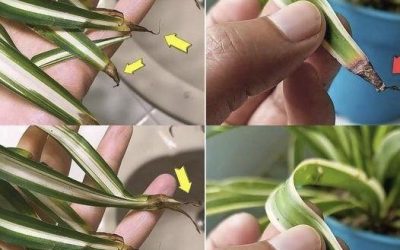
Why do the tips of herbaceous plants turn brown?

I Didn’t Believe This Floor Trick Until I Tried It… Now I’ll Never Go Back

3-Ingredient Baked Breakfast: Easy, Fluffy & Delicious!
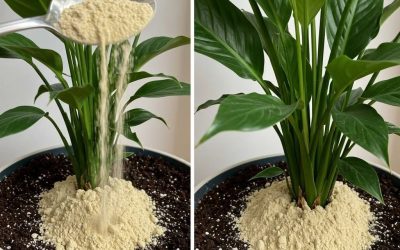
Peace lily: thanks to this one ingredient, it will bloom for up to 10 years in a row.

Pour condensed cream of chicken soup over raw sliced russet potatoes, coupled with 1 ingredient, into a glass casserole dish for a comforting meal tha.

Have you ever tasted it? Do you know what it’s called?
