Severe Constipation and Toxic Megacolon: Causes, Warning Signs, and When to Seek Help

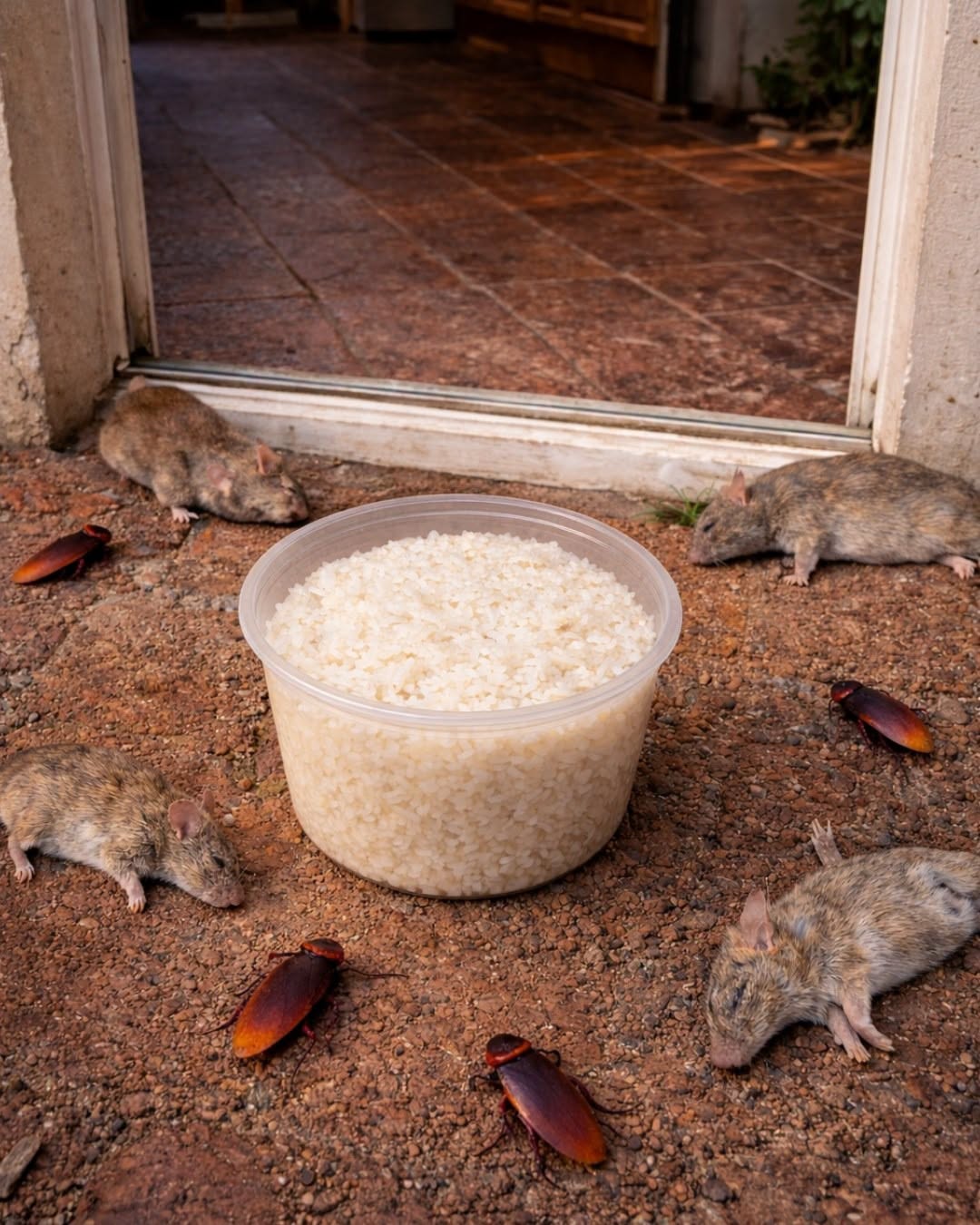
For Cockroaches:
Location
How to Apply
Frequency
Kitchen cabinets & pantries
Place 2–3 dried leaves on shelves, in corners, or inside a small cloth pouch
Replace every 2–3 months or when scent fades
Under sinks
Tuck leaves near pipes or in crevices where roaches may hide
Refresh quarterly
Food storage containers
Add 1–2 leaves to flour, rice, or grain bins (in a breathable pouch to avoid direct contact)
Replace when refilling containers
Appliance gaps
Place leaves behind refrigerators, stoves, or dishwashers
Check seasonally
For Rats & Mice:
Location
How to Apply
Pro Tip
Attic corners & eaves
Scatter whole leaves in dark, undisturbed areas
Combine with steel wool in entry holes—rats can’t chew through steel wool
Basement entry points
Place leaves near pipes, vents, or foundation cracks
Crush leaves slightly first to release more oils
Garage shelves & storage
Tuck leaves among boxes, tools, or seasonal items
Refresh every 3 months for consistent scent
Outdoor perimeter
Place leaves near door thresholds or window wells (in weatherproof pouches)
Use alongside physical barriers like door sweeps
 Pro Tip: Crush bay leaves lightly between your fingers before placing them. This releases more essential oils and boosts the repellent effect. Store unused leaves in an airtight container to preserve potency.
But Bay Leaves Aren’t Enough—Pair With These Key Habits
Pests are attracted to three things: food, water, and shelter. For real, lasting prevention, combine bay leaves with these evidence-based strategies:
Seal Entry Points
Action
Why It Works
Caulk cracks in walls, foundations, and around pipes
Eliminates hidden entryways pests use to enter
Stuff steel wool into small holes before sealing
Rats can’t chew through steel; mice avoid the texture
Install door sweeps and repair window screens
Blocks ground-level and aerial access points
Cover vents with fine mesh (¼-inch hardware cloth)
Prevents entry while maintaining airflow
Eliminate Food Sources
Action
Why It Works
Store dry goods in airtight glass or hard plastic containers
Prevents pests from detecting or accessing food
Never leave dirty dishes or crumbs overnight
Removes easy meals that attract roaches overnight
Feed pets on a schedule and remove uneaten food
Reduces constant food availability for pests
Keep countertops clean and wipe spills immediately
Eliminates scent trails that guide pests to food
Reduce Moisture
Action
Why It Works
Fix leaky faucets and pipes promptly
Removes water sources pests need to survive
Use dehumidifiers in damp basements or crawl spaces
Creates an environment less hospitable to roaches
Ensure proper drainage around your home’s foundation
Prevents moisture accumulation that attracts pests
Ventilate bathrooms & kitchens with exhaust fans
Reduces humidity that pests thrive in
Manage Waste Wisely
Action
Why It Works
Use trash bins with tight-fitting, locking lids
Prevents pests from accessing food waste
Take out trash regularly, especially in warm weather
Reduces odor buildup that attracts pests
Clean trash cans monthly with vinegar or soapy water
Removes residue and scent trails
Compost responsibly: Use sealed bins, avoid meat/dairy
Prevents attracting rodents to compost piles
What Doesn’t Work (Despite the Myths)
Not all “natural” remedies are equally effective. Here’s what research and pest professionals say:
Myth
Reality
Better Alternative
Ultrasonic pest repellers
Studies show minimal to no effect; pests quickly habituate
Focus on exclusion and sanitation instead
Peppermint oil alone
May deter mice short-term but evaporates quickly; ineffective against roaches
Use as a supplemental scent alongside bay leaves, not as sole solution
Leaving lights on
Cockroaches adapt to light; rats are nocturnal but not light-averse
Use motion-sensor lights outdoors; keep indoor areas clean
Mothballs for rodents
Toxic to pets/children; illegal for rodent control in many areas; ineffective
Use steel wool + sealing + bay leaves instead
“One-and-done” solutions
Pests adapt; prevention requires consistency
Combine multiple strategies and maintain them
Key insight: Integrated Pest Management (IPM)—combining prevention, monitoring, and targeted intervention—is the gold standard recommended by entomologists and pest control professionals.
FAQs: Your Pest Prevention Questions, Answered
Q: Are bay leaves safe around pets and children?
A: Yes, when used as directed. Bay leaves are non-toxic in small amounts, but avoid placing them where pets or children might chew or swallow them. If ingested in quantity, they can cause mild stomach upset.
Q: How long do bay leaves remain effective?
A: Dried bay leaves retain their scent for 2–3 months under normal indoor conditions. Replace them when the aroma fades or if you notice pest activity returning.
Q: Can I use fresh bay leaves instead of dried?
A: Dried leaves are preferred—they’re more concentrated, longer-lasting, and less likely to mold. Fresh leaves can be used in a pinch but will need replacing every 1–2 weeks.
**Q: Will bay leaves work for other pests **(ants, silverfish, etc.)
A: Possibly. Many insects avoid strong herbal scents. However, effectiveness varies by species. For ants, also eliminate scent trails with vinegar; for silverfish, reduce humidity.
Q: What if I have a cat? Are bay leaves safe?
A: Bay leaves are generally considered low-toxicity for cats, but cats are sensitive to essential oils. Place leaves where cats can’t access or chew them. If your cat shows signs of GI upset, remove the leaves and consult your vet.
Q: Can I grow my own bay leaves for pest control?
A: Yes! Bay laurel (Laurus nobilis) can be grown in pots indoors or outdoors in warm climates. Harvest mature leaves and dry them before use. Note: California bay (Umbellularia californica) has a stronger scent but can be toxic in quantity—stick to culinary bay for safety.
Q: How do I know if bay leaves are working?
A: Look for reduced pest sightings over 2–4 weeks. Keep a simple log: note where you placed leaves and any changes in activity. Remember: prevention is about reducing attraction, not instant elimination.
When to Call a Professional
Bay leaves and prevention strategies work best for deterring pests or managing minor issues. Contact a licensed pest control professional if you notice:
Signs of an active infestation:
Droppings, gnaw marks, or grease trails
Live pests seen during the day (roaches are nocturnal; daytime sightings suggest overcrowding)
Nests, egg cases, or shed skins
Health or safety concerns:
Allergies or asthma triggered by pest allergens
Pets or children at risk from pests or chemicals
Structural damage from gnawing or nesting
Persistent problems despite prevention:
Pests returning after repeated DIY efforts
Large numbers or multiple species present
What to expect: A reputable pest professional will inspect your home, identify entry points and attractants, and recommend an Integrated Pest Management plan—prioritizing exclusion and prevention, with targeted treatments only where needed.
A Compassionate Reminder
If you’re dealing with pests, please know:
You’re not alone. Pests enter millions of homes every year—it’s not a reflection of cleanliness or worth.
Small steps matter. One sealed crack, one airtight container, one bay leaf—these accumulate into meaningful change.
Asking for help is wisdom. Professionals have tools and knowledge to solve complex issues safely.
Your peace of mind matters. Creating a safe, comfortable home is worth the effort.
Prevention isn’t about perfection. It’s about progress—one thoughtful choice at a time.
The Bottom Line
Bay leaves are a gentle, accessible tool that may help nudge pests away—but they work best as part of a holistic approach.
Remember:
Bay leaves repel through scent; they don’t kill or eliminate established infestations
Sealing entry points and eliminating food/water sources are the most effective prevention strategies
Consistency matters: refresh bay leaves, maintain cleanliness, and monitor for changes
When in doubt, consult a licensed pest professional for safe, effective solutions
So tuck a few bay leaves into your pantry, seal those cracks, and sleep easier knowing you’ve made your home less welcoming to uninvited guests.
And if pests still find their way in? That’s okay too. You’ve got options—and you’ve already taken the first step by learning.
Have you tried bay leaves or other natural pest deterrents? What strategies have worked (or didn’t) in your home? Share your experiences respectfully in the comments below.
Location
How to Apply
Frequency
Kitchen cabinets & pantries
Place 2–3 dried leaves on shelves, in corners, or inside a small cloth pouch
Replace every 2–3 months or when scent fades
Under sinks
Tuck leaves near pipes or in crevices where roaches may hide
Refresh quarterly
Food storage containers
Add 1–2 leaves to flour, rice, or grain bins (in a breathable pouch to avoid direct contact)
Replace when refilling containers
Appliance gaps
Place leaves behind refrigerators, stoves, or dishwashers
Check seasonally
For Rats & Mice:
Location
How to Apply
Pro Tip
Attic corners & eaves
Scatter whole leaves in dark, undisturbed areas
Combine with steel wool in entry holes—rats can’t chew through steel wool
Basement entry points
Place leaves near pipes, vents, or foundation cracks
Crush leaves slightly first to release more oils
Garage shelves & storage
Tuck leaves among boxes, tools, or seasonal items
Refresh every 3 months for consistent scent
Outdoor perimeter
Place leaves near door thresholds or window wells (in weatherproof pouches)
Use alongside physical barriers like door sweeps
 Pro Tip: Crush bay leaves lightly between your fingers before placing them. This releases more essential oils and boosts the repellent effect. Store unused leaves in an airtight container to preserve potency.
 But Bay Leaves Aren’t Enough—Pair With These Key Habits
Pests are attracted to three things: food, water, and shelter. For real, lasting prevention, combine bay leaves with these evidence-based strategies:
 Seal Entry Points
Action
Why It Works
Caulk cracks in walls, foundations, and around pipes
Eliminates hidden entryways pests use to enter
Stuff steel wool into small holes before sealing
Rats can’t chew through steel; mice avoid the texture
Install door sweeps and repair window screens
Blocks ground-level and aerial access points
Cover vents with fine mesh (¼-inch hardware cloth)
Prevents entry while maintaining airflow
 Eliminate Food Sources
Action
Why It Works
Store dry goods in airtight glass or hard plastic containers
Prevents pests from detecting or accessing food
Never leave dirty dishes or crumbs overnight
Removes easy meals that attract roaches overnight
Feed pets on a schedule and remove uneaten food
Reduces constant food availability for pests
Keep countertops clean and wipe spills immediately
Eliminates scent trails that guide pests to food
 Reduce Moisture
Action
Why It Works
Fix leaky faucets and pipes promptly
Removes water sources pests need to survive
Use dehumidifiers in damp basements or crawl spaces
Creates an environment less hospitable to roaches
Ensure proper drainage around your home’s foundation
Prevents moisture accumulation that attracts pests
Ventilate bathrooms & kitchens with exhaust fans
Reduces humidity that pests thrive in
 Manage Waste Wisely
Action
Why It Works
Use trash bins with tight-fitting, locking lids
Prevents pests from accessing food waste
Take out trash regularly, especially in warm weather
Reduces odor buildup that attracts pests
Clean trash cans monthly with vinegar or soapy water
Removes residue and scent trails
Compost responsibly: Use sealed bins, avoid meat/dairy
Prevents attracting rodents to compost piles
 What Doesn’t Work (Despite the Myths)
Not all “natural” remedies are equally effective. Here’s what research and pest professionals say:
Myth
Reality
Better Alternative
Ultrasonic pest repellers
Studies show minimal to no effect; pests quickly habituate
Focus on exclusion and sanitation instead
Peppermint oil alone
May deter mice short-term but evaporates quickly; ineffective against roaches
Use as a supplemental scent alongside bay leaves, not as sole solution
Leaving lights on
Cockroaches adapt to light; rats are nocturnal but not light-averse
Use motion-sensor lights outdoors; keep indoor areas clean
Mothballs for rodents
Toxic to pets/children; illegal for rodent control in many areas; ineffective
Use steel wool + sealing + bay leaves instead
“One-and-done” solutions
Pests adapt; prevention requires consistency
Combine multiple strategies and maintain them
 Key insight: Integrated Pest Management (IPM)—combining prevention, monitoring, and targeted intervention—is the gold standard recommended by entomologists and pest control professionals.
 FAQs: Your Pest Prevention Questions, Answered
Q: Are bay leaves safe around pets and children?
A: Yes, when used as directed. Bay leaves are non-toxic in small amounts, but avoid placing them where pets or children might chew or swallow them. If ingested in quantity, they can cause mild stomach upset.
Q: How long do bay leaves remain effective?
A: Dried bay leaves retain their scent for 2–3 months under normal indoor conditions. Replace them when the aroma fades or if you notice pest activity returning.
Q: Can I use fresh bay leaves instead of dried?
A: Dried leaves are preferred—they’re more concentrated, longer-lasting, and less likely to mold. Fresh leaves can be used in a pinch but will need replacing every 1–2 weeks.
**Q: Will bay leaves work for other pests **(ants, silverfish, etc.)
A: Possibly. Many insects avoid strong herbal scents. However, effectiveness varies by species. For ants, also eliminate scent trails with vinegar; for silverfish, reduce humidity.
Q: What if I have a cat? Are bay leaves safe?
A: Bay leaves are generally considered low-toxicity for cats, but cats are sensitive to essential oils. Place leaves where cats can’t access or chew them. If your cat shows signs of GI upset, remove the leaves and consult your vet.
Q: Can I grow my own bay leaves for pest control?
A: Yes! Bay laurel (Laurus nobilis) can be grown in pots indoors or outdoors in warm climates. Harvest mature leaves and dry them before use. Note: California bay (Umbellularia californica) has a stronger scent but can be toxic in quantity—stick to culinary bay for safety.
Q: How do I know if bay leaves are working?
A: Look for reduced pest sightings over 2–4 weeks. Keep a simple log: note where you placed leaves and any changes in activity. Remember: prevention is about reducing attraction, not instant elimination.
 When to Call a Professional
Bay leaves and prevention strategies work best for deterring pests or managing minor issues. Contact a licensed pest control professional if you notice:
 Signs of an active infestation:
Droppings, gnaw marks, or grease trails
Live pests seen during the day (roaches are nocturnal; daytime sightings suggest overcrowding)
Nests, egg cases, or shed skins
Health or safety concerns:Allergies or asthma triggered by pest allergens
Pets or children at risk from pests or chemicals
Structural damage from gnawing or nesting
Persistent problems despite prevention:Pests returning after repeated DIY efforts
Large numbers or multiple species present
 What to expect: A reputable pest professional will inspect your home, identify entry points and attractants, and recommend an Integrated Pest Management plan—prioritizing exclusion and prevention, with targeted treatments only where needed.
 A Compassionate Reminder
If you’re dealing with pests, please know:
 You’re not alone. Pests enter millions of homes every year—it’s not a reflection of cleanliness or worth. Small steps matter. One sealed crack, one airtight container, one bay leaf—these accumulate into meaningful change. Asking for help is wisdom. Professionals have tools and knowledge to solve complex issues safely. Your peace of mind matters. Creating a safe, comfortable home is worth the effort.
Prevention isn’t about perfection. It’s about progress—one thoughtful choice at a time.
 The Bottom Line
Bay leaves are a gentle, accessible tool that may help nudge pests away—but they work best as part of a holistic approach.
Remember:
 Bay leaves repel through scent; they don’t kill or eliminate established infestations Sealing entry points and eliminating food/water sources are the most effective prevention strategies Consistency matters: refresh bay leaves, maintain cleanliness, and monitor for changes When in doubt, consult a licensed pest professional for safe, effective solutions
So tuck a few bay leaves into your pantry, seal those cracks, and sleep easier knowing you’ve made your home less welcoming to uninvited guests.
And if pests still find their way in? That’s okay too. You’ve got options—and you’ve already taken the first step by learning.
Have you tried bay leaves or other natural pest deterrents? What strategies have worked (or didn’t) in your home? Share your experiences respectfully in the comments below.