
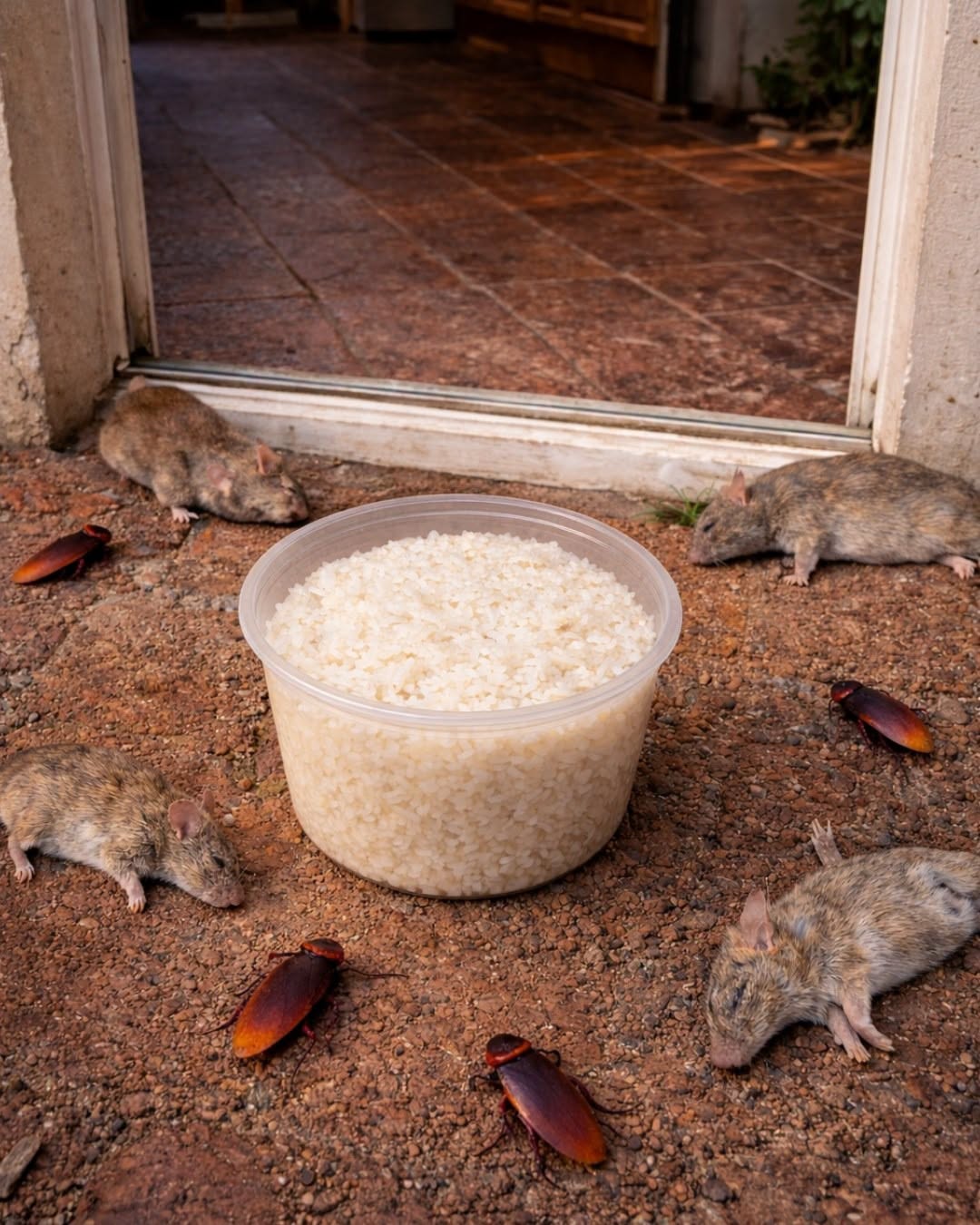
While no single method guarantees 100% pest-free living, one simple, natural, and widely used household trick can help deter both rats and cockroaches: bay leaves.
Yes—those fragrant leaves you use in soups and stews may also be a quiet guardian of your pantry.
If you’ve ever opened a cabinet to find unwelcome visitors, you know the frustration. But before reaching for harsh chemicals, consider this gentle, time-tested approach that’s been passed down through generations of homekeepers.
Let’s explore how bay leaves work, how to use them effectively, and what else you can do to create a home that’s naturally less inviting to pests.
 How Bay Leaves Work: The Science Behind the Scent
Bay leaves (Laurus nobilis) contain natural compounds that many pests find overwhelming. The key players:
Compound
Effect on Pests
Source
Eugenol
Disrupts insect nervous systems; strong aroma deters rodents
Also found in cloves, cinnamon
**Cineole **(1,8-cineole)
Acts as a natural repellent; interferes with pest olfactory receptors
Also in eucalyptus, rosemary
Linalool
Mild insecticidal properties; calming scent for humans
Also in lavender, basil
Why This Matters:
 Rats and mice rely heavily on scent to navigate and locate food. Overpowering aromas can disrupt their ability to feel safe in an area.
Cockroaches use antennae to detect chemical cues. Strong herbal scents may mask food odors and make treated areas less attractive.
Non-toxic & safe: Unlike chemical repellents, bay leaves pose minimal risk to pets or children when used as directed (not ingested in quantity).
 Important clarification: Bay leaves repel; they do not eliminate. They won’t kill pests or solve an active infestation—but they may encourage pests to look elsewhere, especially when combined with other prevention strategies.
How to Use Bay Leaves Effectively
For Cockroaches: